






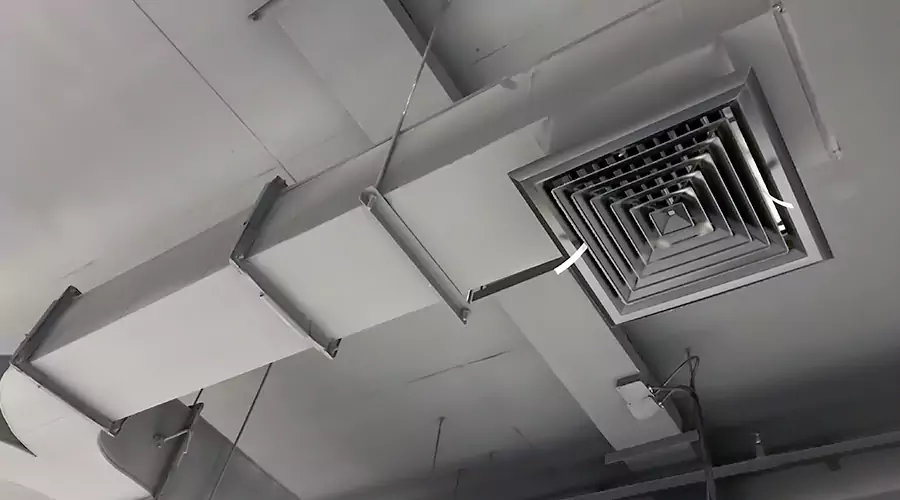
Dirty air ducts can affect how well your HVAC system moves air through your home. When dust, debris, pet hair, construction particles, pollen, and other buildup collect inside the ductwork, airflow may become weaker or less balanced. This can make your heating and cooling system work harder to keep rooms comfortable.
Many homeowners think dirty ducts only affect indoor air quality, but they can also affect HVAC performance. Your HVAC system depends on steady airflow. If air cannot move properly through the ducts, the system may run longer, use more energy, and struggle to heat or cool certain rooms.
Understanding how dirty air ducts affect HVAC performance can help you know when air duct cleaning, duct repair, or HVAC maintenance may be needed.
Why Airflow Matters for HVAC Performance?
Your HVAC system is designed to move a certain amount of air through the home. The air travels through supply ducts, enters rooms through vents, then returns to the system through return ducts. This cycle helps maintain indoor comfort.
When airflow is restricted, the system cannot work as efficiently. Dirty ducts, clogged filters, blocked vents, and duct leaks can all reduce airflow. If the problem continues, your HVAC system may need to run longer to reach the temperature set on the thermostat.
Poor airflow can affect:
- Room comfort
- System efficiency
- Heating and cooling speed
- Energy use
- Indoor air circulation
- Filter performance
- HVAC equipment strain
Clean and properly sealed ductwork helps air move more smoothly through the system.
Dust and Debris Can Restrict Air Movement
Over time, dust and debris can build up inside duct openings, return grilles, and duct runs. A light layer of dust may not cause a major issue, but heavy buildup can affect airflow and may require HVAC System Cleaning.
This is more common in homes with pets, recent remodeling, dirty filters, leaky ducts, or long periods without HVAC maintenance. If debris collects near certain vents, some rooms may receive less air than others.
Signs of restricted airflow include:
- Weak air from vents
- Rooms that heat or cool slowly
- Uneven temperatures
- HVAC running for long periods
- Dust around vent covers
- Filters getting dirty quickly
Air duct cleaning may help if buildup is reducing airflow inside the duct system.
Dirty Return Ducts Can Affect the Whole System
Return ducts pull air from your home back into the HVAC system. If return ducts are dirty or blocked, the system may not receive enough air to operate properly. This can create airflow imbalance and reduce performance.
Dirty return grilles can collect dust, pet hair, lint, and debris. If the return side of the system is restricted, the HVAC unit may work harder to pull air in.
This can affect both heating and cooling performance. Keeping return vents clean and unblocked is an important part of maintaining good airflow.
Dirty Ducts Can Make Filters Clog Faster
HVAC filters are designed to capture dust and particles before they enter the system. If the ductwork already has heavy dust buildup, particles may continue circulating and collecting on the filter.
This can make filters clog faster than normal. A clogged filter reduces airflow and can make the HVAC system work harder.
Fast filter buildup may happen because of:
- Dirty ductwork
- Pet hair and dander
- Remodeling dust
- Leaky return ducts
- Poor filter fit
- Heavy indoor dust
- Dirty return grilles
If you replace filters often and they still clog quickly, the duct system should be inspected.
Dirty Air Ducts Can Spread Dust Through the HVAC System
When ducts are dirty, air moving through the system can carry dust and particles into the HVAC unit and living areas. Some particles may settle on vents, furniture, floors, and system components.
Dust inside the HVAC system may affect the blower, coil, and other parts if maintenance is ignored. Dirty components may reduce efficiency and make the system work harder than necessary.
Air duct cleaning is often most helpful when paired with proper HVAC maintenance. Cleaning the ducts but ignoring a dirty filter, blower, or coil may not fully solve the issue.
Uneven Temperatures Can Become More Noticeable
Dirty ducts can contribute to uneven heating and cooling, especially if buildup is heavier in some duct sections than others. One room may receive strong airflow, while another room gets weak airflow.
Uneven temperatures may also be caused by duct leaks, crushed ductwork, poor duct design, insulation problems, or thermostat location. That is why inspection matters. Cleaning may help if dust and debris are the issue, but duct repair may be needed if the ductwork is damaged.
Common comfort signs include:
- One bedroom stays warm in summer
- One room stays cold in winter
- Upstairs and downstairs temperatures feel different
- Airflow feels weak from certain vents
- The thermostat setting does not match room comfort
A professional can check whether the issue is dirt buildup, duct damage, or another HVAC problem.
The HVAC System May Run Longer
If dirty ducts reduce airflow, the HVAC system may take longer to heat or cool the home. Longer run times can increase energy use and place more strain on the system.
For example, if cool air cannot move efficiently through the ductwork, the AC may run longer during hot weather. If warm air is not reaching certain rooms in winter, the furnace may stay on longer than needed.
Longer run times are not always caused by dirty ducts, but they are a warning sign that the airflow system should be checked.
Dirty Ducts Can Add Stress to HVAC Equipment
Your HVAC system works best when air moves freely. When airflow is restricted, the blower motor may work harder to move air. Over time, this can add stress to the system.
Restricted airflow can also affect comfort and efficiency. If the issue continues, it may contribute to more frequent maintenance needs.
Dirty ducts are only one possible cause of airflow stress. Clogged filters, blocked vents, duct leaks, and dirty coils can also create problems. A complete inspection can help identify the true source.
Musty Odors Can Affect System Use
Dirty air ducts can hold odors from dust, moisture, pets, pests, or mildew. When the HVAC system runs, these odors may move through the home. If homeowners avoid using the system because of odors, comfort and indoor air circulation may suffer.
Musty odors may also point to moisture issues, mold concerns, or duct leaks pulling air from damp spaces. In that case, cleaning alone may not be enough. The moisture source or duct damage must also be corrected.
When Air Duct Cleaning May Help?
Air duct cleaning may help improve HVAC performance when dust, debris, pet hair, remodeling dust, or other buildup is affecting airflow or cleanliness.
You may need air duct cleaning if:
- Dust blows from vents
- Vents look dirty inside
- Filters clog quickly
- Airflow feels weak
- Rooms feel uneven
- The home was recently remodeled
- There are musty odors from vents
- Pest debris is suspected
A professional inspection can confirm whether cleaning is needed or whether duct repair is the better solution.
When Duct Repair May Be Needed Instead?
If the ducts are leaking, disconnected, crushed, or poorly sealed, cleaning will not solve the performance problem. Air duct repair may be needed to stop air loss and restore proper airflow.
Duct repair may be needed if you notice:
- High energy bills
- Weak airflow from certain vents
- Visible duct damage
- Uneven room temperatures
- Dust returning after cleaning
- Musty attic or crawl space odors
- Long HVAC run times
Final Thoughts
Dirty air ducts can affect HVAC performance by restricting airflow, spreading dust, clogging filters faster, increasing run times, and making rooms less comfortable. They may also contribute to odors and extra strain on the system.
Air duct cleaning can help when buildup is inside the ductwork, but it is not the answer for every HVAC problem. If ducts are leaking, damaged, or disconnected, air duct repair may be needed. A professional inspection can help identify the real cause and improve airflow, comfort, and system performance.